


Code compliant coverage real-time hazard response nonstop site protection
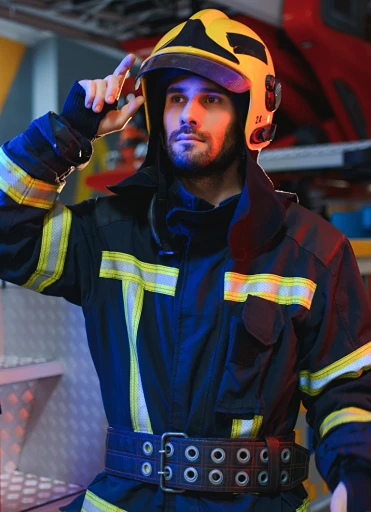
Rapid deployment available in the GTA, Vancouver Metro, and Calgary
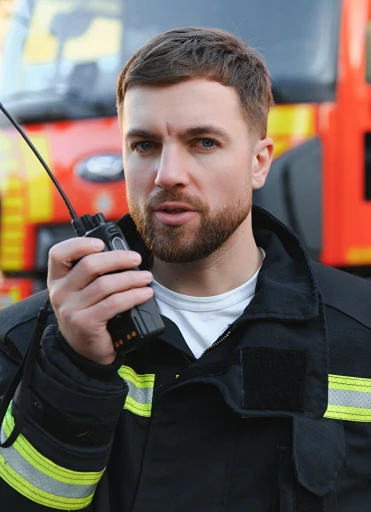
Fire Watch Security plays a critical role in safeguarding lives and properties in Ontario, especially in environments where fire hazards are prevalent. As businesses and institutions strive to comply with legal regulations and enhance their safety protocols, the significance of dedicated fire watch services has never been more pronounced. This article delves into various aspects of fire watch security, including its legal framework, the responsibilities of personnel, risk management practices, and the technological tools that enhance effectiveness. By understanding these components, organizations can better prepare for fire-related emergencies and ensure the safety of their premises and occupants.
Overview of Fire Watch Security
Definition of Fire Watch Security
Fire Watch Security is like having a vigilant friend who never sleeps, making sure nothing goes up in flames while you’re busy. In essence, it involves a temporary service where trained personnel monitor a facility for fire hazards, particularly when standard fire safety systems are compromised or under maintenance. Think of it as keeping your fire extinguisher on speed dial.
Historical Context and Development
The practice of fire watch dates back to the days when humans first learned to harness fire (shout out to our ancestors). Originally, it was mostly about having someone stand around with a bucket of water and a lot of common sense. As society evolved and the stakes grew higher—hello skyscrapers and industrial complexes—so did the skill set of fire watch personnel. Modern fire watch has transformed into a nuanced blend of vigilance, technology, and a greater understanding of fire safety regulations.
Legal Regulations and Compliance in Ontario
Relevant Legislation and Standards
In Ontario, fire watch services are governed by a cocktail of regulations, including the Ontario Fire Code and the Occupational Health and Safety Act. These laws dictate when and how fire watch services are necessary, ensuring that businesses can’t just turn a blind eye to potential fire hazards. After all, the only thing that should go up in smoke is a marshmallow over a campfire!
Licensing and Certification Requirements
To operate as a fire watch provider in Ontario, you’ll need more than just a badge and a squad of friends. Personnel must complete specific training and certification from recognized bodies. This may include courses on fire safety protocols, emergency response, and even basic first aid—because you never know when a fire watch might turn into fire rescue.
Penalties for Non-Compliance
Ignoring fire watch regulations is no laughing matter—unless you enjoy hefty fines and potential legal repercussions. Non-compliance can lead to penalties from local fire authorities, including fines that can make your wallet weep. In the worst-case scenario, it could open the door to civil liabilities should a fire occur due to negligence. So, it’s best to keep those fire watch services on the books!
Importance of Fire Watch Services
Prevention of Fire Incidents
Fire watch services play a crucial role in preventing fire incidents before they even have the chance to ruin your day. By keeping a watchful eye on vulnerable areas, personnel can quickly identify and address hazards. This proactive approach can often mean the difference between a minor scare and a full-blown emergency.
Protection of Lives and Property
The primary goal of fire watch services is all about safeguarding lives and property. When you have trained professionals actively monitoring for fire risks, there’s a much lower chance of a small spark turning into a raging inferno. Nobody wants to experience the chaos that comes with a fire; let’s leave that to action movies.
Insurance Considerations
Having a solid fire watch in place can also do wonders for your insurance policy. Many insurers offer discounts for businesses that implement fire watch services, recognizing them as a proactive risk management strategy. So not only do you get peace of mind, but you also save some bucks. It’s like getting a coupon for being responsible—who doesn’t love that?
Key Responsibilities of Fire Watch Personnel
Monitoring and Reporting Procedures
Fire watch personnel are the eagle-eyed guardians of fire safety. Their primary responsibilities include constantly patrolling designated areas, identifying potential hazards, and logging any observations in meticulous reports. If they see something suspicious, they’re trained to act quickly—because in the world of fire, time is of the essence!
Emergency Response Protocols
In the event of a fire emergency, fire watch personnel must spring into action like superheroes in uniforms. They follow established emergency response protocols, which can include sounding alarms, evacuating individuals, and even coordinating with emergency responders. Every second counts, and they are trained to act decisively and calmly under pressure.
Communication with Fire Departments
Effective communication with local fire departments is essential for fire watch personnel. When a fire incident occurs, or if a potential risk is identified, it’s crucial to relay this information as quickly and accurately as possible. Fire watch personnel serve as the critical link between the situation on the ground and first responders, helping to ensure a swift and effective response.
Risk Assessment and Management
Identifying High-Risk Areas
When it comes to fire safety, not all areas are created equal. High-risk areas often include construction sites, warehouses filled with flammable materials, and locations near heavily wooded zones. Identifying these hotspots should be as thorough as a detective on a crime scene. Conduct site inspections, consider occupancy types, and don’t forget to consult local fire codes. Knowing where the danger lurks is half the battle won!
Conducting Fire Risk Assessments
Fire risk assessments are like a health check-up, but for buildings. This involves evaluating potential fire hazards and the likelihood of their occurrence. It’s essential to gather a team of experts who can assess everything from electrical systems to the storage of combustible materials. The goal? To create a fire risk profile that helps prioritize action. Remember, the more you know about your risks, the better equipped you’ll be to handle them!
Developing Mitigation Strategies
Once you’ve identified risks, it’s time to strategize! Mitigation strategies can include everything from installing sprinkler systems and fire doors to implementing strict no-smoking policies. Tailor your strategies to the specific needs of each high-risk area. Think of it as customizing a dish at your favorite restaurant—substitutions and additions go a long way in ensuring safety, just without adding extra calories!
Training and Certification Requirements
Essential Skills for Fire Watch Personnel
Fire watch personnel are the unsung heroes of fire safety. They need to be equipped with essential skills like the ability to identify fire hazards, knowledge of emergency procedures, and how to use firefighting equipment. Communication skills? Absolutely! They must be ready to coordinate with emergency services while keeping a cool head under pressure. Basically, they should be part firefighter, part therapist—ready to put out fires and calm nerves!
Overview of Training Programs in Ontario
In Ontario, several accredited training programs help shape these skilled professionals. From hands-on training to theoretical knowledge on fire prevention, programs ensure employees are well-prepared for any blazing issues. Be sure to check out organizations like the Ontario Fire College, where you’ll find courses designed to provide both newcomers and seasoned pros with up-to-date knowledge on fire watch procedures.
Continuing Education and Updates
Fire safety isn’t a “one-and-done” deal; it’s a lifelong learning journey! Continuing education is crucial for fire watch personnel to stay sharp and informed about the latest codes, technologies, and firefighting tactics. Regular workshops or refresher courses—think of them as safety boot camps—ensure that these skilled individuals can adapt to ever-evolving safety practices and legislation, keeping our communities safe and sound.
Technology and Tools in Fire Watch Security
Monitoring Equipment and Devices
Today’s fire watch is equipped with an array of high-tech gadgets. From thermal imaging cameras that spot hot spots before they ignite to smoke detectors that are smarter than your average smartphone, technology plays a pivotal role. Monitoring equipment can provide real-time data, keeping fire watch personnel informed about potential risks so they can react faster than you can say “fire drill.”
Software Solutions for Reporting and Management
Fire watch isn’t just about standing around looking vigilant; it’s also about data management! Software solutions for reporting and management streamline the reporting of hazards, incidents, and inspections. These programs can be lifesavers (literally) by enabling quick communication and documentation. With just a few clicks, fire watch personnel can create detailed reports—goodbye to the mess of paper trails!
Integration with Fire Alarm Systems
A well-integrated fire watch security system is like a well-choreographed dance. When fire alarm systems and fire watch protocols work together seamlessly, the results can be life-saving. Integrating these systems ensures that alarms trigger appropriate responses and that personnel have real-time updates about any fire-related incidents. The perfect duet for fire safety!
Case Studies and Success Stories in Ontario
Successful Fire Watch Implementations
Let’s highlight some Ontario organizations that have nailed fire watch security! From large commercial buildings to school campuses, successful implementations showcase how proactive measures and trained personnel have effectively reduced fire incidents. These real-world successes serve as examples and inspiration for others looking to beef up their fire watch efforts and keep those flames in check!
Lessons Learned from Past Incidents
Every fire incident offers valuable lessons. Analyzing past incidents in Ontario reveals common pitfalls, like the importance of consistent training and effective communication. These stories remind us that learning from mistakes is an essential part of improving fire watch strategies. After all, we can learn a lot from watching the flames, but let’s make sure they’re the campfire kind!
Community Impact and Awareness
Fire watch security doesn’t just protect property; it fosters community awareness and safety culture. Through educational programs, community drills, and outreach initiatives, fire watch teams can engage residents and raise awareness about fire prevention. A well-informed community is a safer one, transforming awareness into action and ensuring that everyone knows what to do when the smoke alarm goes off—because let’s be honest, no one wants a surprise fire drill!In conclusion, effective fire watch security is essential for protecting lives and property in Ontario. By adhering to legal requirements, investing in training, and employing the right technology, organizations can significantly reduce fire risks and enhance their overall safety. As the landscape of fire hazards continues to evolve, staying informed and implementing robust fire watch practices will help ensure a safer environment for all.
Frequently Asked Questions
What is the purpose of fire watch security?
Fire watch security is designed to prevent fire incidents by monitoring high-risk areas, ensuring compliance with fire safety regulations, and providing immediate response in case of an emergency.
Who is responsible for conducting fire watch?
Fire watch can be conducted by trained personnel designated by the organization, such as security staff or dedicated fire watch teams, who are equipped to monitor the premises and respond to any fire-related situations.
Are there specific regulations for fire watch services in Ontario?
Yes, Ontario has specific regulations and standards that govern fire watch services, including licensing and compliance requirements. Organizations must adhere to these regulations to ensure safety and avoid penalties.
How often should fire watch services be implemented?
The frequency of fire watch services depends on the level of fire risk present in a facility, ongoing construction activities, and compliance with relevant regulations. Regular assessments should determine when fire watch is necessary.
Fire watch security refers to the use of trained personnel to monitor buildings for fire hazards when fire protection systems (sprinklers or alarms) are down, not installed, or compromised. It is often required by law.
You may need fire watch services when:
- Your fire alarm or sprinkler system is offline
- Your property is under construction or renovation
- You’re performing hot work (e.g., welding)
- You receive a fire code violation
- Your fire marshal or insurer mandates it
Rates typically range from $25 to $40 per hour, depending on shift length, risk level, and site complexity. Emergency or overnight deployments may carry premium rates. Contact us for a custom quote.
No. Fire watch must be conducted by guards trained in fire prevention, hazard identification, and emergency response. Northwest Security fire watch officers are certified and compliant with regional fire codes.
Yes. We provide emergency fire watch coverage in Vaughan, Scarborough, Toronto, and surrounding GTA areas, typically within 2–4 hours. We also support fire inspector-mandated watches across BC and Alberta.
Yes. We provide all required documentation including fire watch patrol logs, incident reports, and shift summaries that meet city and provincial inspection standards.
1Northwest Security Services. is a premier provider of security solutions for the facility management industry, serving clients in construction sites, retail stores, malls, car dealerships, mine sites, Mine Security, Patrol, Industrial Guards, Static Guards, Event Management, Institutional Guards, Loss Prevention, Healthcare Facilities, Shopping Centre, Educational Facilities, Mining, Airport, Aviation, Industrial Services, Commercial Buildings, Patrol Services, Special Events, Apartments and Condo Security, Industrial Security, Hotel Security, Professional Guards, Retail Loss Prevention, Money Escorts ATMs, Special Event Security, Fire Watch, Construction Security, Risk Assessments, University and College Security, Residential Patrols, Commercial Patrols, Vacation House Checks, Customized Patrols, Lock and Unlock Services, Incident Response, Residential and Commercial Alarm Response, Keyholding Services, Primary Response, Medical and Fire Response, Emergency Response, Construction Sites, Loss Prevention, Event Security, Parking Enforcement, Security Guard Service, First Aid Training and CPR Course, Mobile Patrol and Security Guards Services, Hottest Events Security, Loss Prevention and Crime Scene Guarding Services, Licensed Security Guard Company, Security Guards, Mobile Patrols, Retail Security, Event Security, Construction Site and Warehouse Security, Transport Security, CCTV Security and Monitoring, Security Keyholding, Concierge Security Guards, Security Services, Uniformed and Fire Watch Security, Residential Security and more. Our highly trained uniformed security guards, mobile patrols, and specialized security officers ensure protection and safety. Fire Watch Safety and Security – Fire And Protection Services Near Me, Safeguard your business with expert fire safety solutions and compliance you can trust. We offer custom-designed programs to meet specific client needs and budgets, all aimed at providing reliable and quality service with proven results. We are committed to total customer satisfaction through our 24-hour service, real-time data access, and excellence in security solutions.
Northwest Security Services, Security Guards are available in Ontario; Sudbury, St Thomas, Wellesley, Strathroy, Aylmer, Ayr, New Hamburg, Dryden, Fort Frances, Sioux Lookout, Marathon, Atikokan, Hearst, Wawa, Thunder Bay, Terrace Bay, Nipigon, Cochrane, Kapuskasing, Sault Ste.Marie, Armstrong, Longlac, Geraldton, Kenora, Greenstone, Red Lake, Manitouwadge, Ignace, White River, Timmins, Cochrane, Kirkland Lake, Elliot Lake, Chapleau, Whitefish, Espanola, Nairn Centre, Webbwood, Manitoulin Island, Massey, Blind River, Iron Bridge, Bruce Mines, Echo Bay, Spanish, North Shore, Huron Shores, Thessalon, Algoma, Lively, Laird, Garden River, Tarbutt, Greater Sudbury, Hamilton, Kingston, London, Mississauga, Barrie, St. Catharines, Brampton, Upsala, Schreiber, Markham, Richmond Hill, Milton, Vaughan, Oshawa, Brantford, Scarborough, Peterborough, Belleville, Brampton, Waterloo, Serpent River, Guelph, Woodstock, Cambridge, Burlington, Sarnia, Trenton, Welland, Niagara Falls, Ottawa, North Bay, Parry Sound, Toronto and Greater Toronto Area (GTA) and surrounding areas;
Serving Ontario-wide locations including:
- North East: Sudbury, Sault Ste. Marie, Hearst , Wawa, Cochrane, Kapuskasing, Timmins, Cochrane, Kirkland Lake, Chapleau, Whitefish, Espanola, Nairn Centre, Webbwood, Manitoulin Island, Blind River, Iron Bridge, Bruce Mines, Echo Bay, Spanish, North Shore, Huron Shores, Thessalon, Algoma, Lively, Laird, Garden River, Tarbutt, Serpent River, North Bay.
- North West: Dryden, Fort Frances, Sioux Lookout, Marathon, Atikokan, Thunder Bay, Terrace Bay, Nipigon, Armstrong, Longlac, Greenstone, Geraldton, Kenora, Red Lake, Manitouwadge, Ignace, White River, Massey, Upsala, Schreiber and surrounding areas.
- Southeast, Central and Southwest Ontario: St Thomas, Ancaster, Dundas, Flamborough, and Stoney Creek, Hamilton, Toronto, GTA, Kingston, Mississauga, Durham Region , Peel Region, Halton Region ,York, Barrie, St. Catharines, Brampton, Markham, Richmond Hill, Milton, Vaughan, Oshawa, Scarborough, Peterborough, Belleville, Burlington, Trenton, Welland, Niagara Falls, Ottawa, Parry Sound, Wellesley, Kitchener, Strathroy, Aylmer, Ayr, New Hamburg, London, Brantford, Waterloo, Guelph, Woodstock, North York, Cambridge, Sarnia and nearby.Cities We Serve;
Ajax, Amherstburg, Arnprior, Atikokan, Aurora, Aylmer, Aylmer, Bancroft, Blind River, Bracebridge, Bradford West Gwillimbury, Bruce Mines, Caledon, Carleton Place, Cobalt, Cobourg, Cochrane, Collingwood, Deep River, Deseronto, East Gwillimbury, Englehart, Erin, Espanola, Essex, Fort Erie, Fort Frances, Gananoque, Georgina, Goderich, Gore Bay, Grand Valley, Gravenhurst, Greater Napanee, Grimsby, Halton Hills, Hanover, Hawkesbury, Hearst, Huntsville, Ingersoll, Innisfil, Iroquois Falls, Kapuskasing, Kearney, Kingsville, Kirkland Lake, Lakeshore, LaSalle, Latchford, Laurentian Hills, Lincoln, Marathon, Mattawa, Midland, Milton, Minto, Mississippi Mills, Mono, Moosonee, New Tecumseth, Newmarket, Niagara-on-the-Lake, Oakville, Orangeville, Parry Sound, Pelham, Penetanguishene, Perth, Petawawa, Petrolia, Plympton-Wyoming, Prescott, Rainy River, Renfrew, Saugeen Shores, Shelburne, Smiths Falls, Smooth Rock Falls, South Bruce Peninsula, Spanish, St. Marys, Tecumseh, The Blue Mountains, Thessalon, Tillsonburg, Wasaga Beach, Whitby, Whitchurch-Stouffville and near me. Call us experts in business and home security services, where safety begins! Contact Us Tel: 1 (807) 623-7417 E-mail: general@northwestsecurity.ca


