What if the most visible guard presence isn’t the coverage your site needs? Security guard services work best when they’re matched to actual operational risks, not selected by default. Clear protection for people, property and daily operations starts with identifying where coverage is needed and what personnel are expected to do.
This guide will help you identify a suitable coverage model and turn broad concerns into a practical service scope. You’ll see how on-site guarding, mobile patrols and fire watch serve different purposes, and how they can complement one another depending on the environment.
We’ll also look at how duties can be shaped for retail locations, events, construction sites, mining operations and other workplaces. Before planning coverage, define the site layout, access points, operating schedule, key risks, people and assets to protect, and the response expected when an issue arises. These details give security personnel a clear operational role and help align protection with business continuity.
Key Takeaways
- Match security guard services to the threats, site conditions and operational priorities that matter most.
- Compare static guarding, mobile patrols, concierge security, fire watch and specialized site staffing by how each delivers coverage.
- Build a clear service brief that sets out access points, operating hours, site rules, key contacts and known vulnerabilities.
- Define expected duties and escalation steps so guards can support site protection and business continuity.
- See how Northwest Security Services’ licensed, uniformed personnel support commercial, retail, construction, mining and event environments.
Security Guard Services: Identify the Risks Your Coverage Needs to Address
Security guard services provide personnel with specific duties to help protect people, property and business operations. Depending on the site, those duties may include overseeing access, maintaining a visible presence, conducting patrols or supporting visitors. A general overview of the roles and responsibilities of security guards provides useful context, but the right assignment depends on your workplace’s conditions and priorities.
Start with observable risks, not assumptions. Unauthorized entry, theft, vandalism, disruption and safety concerns can each call for different attention. Review incident records, complaints, damage reports and recurring operational issues. For each, note what happened, where and when, and which people or assets were affected. A concern based only on rumour may deserve attention, but distinguish it from a documented incident or repeated pattern.
Site risk determines guard duties and coverage design. Define the exposure first, then assign personnel, locations and procedures to address it.
Assess the site, people, assets and operating hours
Build a practical picture of the site before setting the scope. Map public entrances, delivery points, restricted areas and places where valuable equipment or materials are stored. Record operating hours, shift changes, contractor access and periods when activity drops. These patterns can show when and where oversight may be most useful.
- Identify who uses the site, including employees, visitors, tenants, customers or event attendees.
- Mark areas where access needs oversight, such as loading zones, work areas or equipment storage.
- Note when people or materials arrive, move through the site or leave.
- Document known vulnerabilities and incidents with dates, locations and relevant details.
This record helps distinguish a specific exposure from a broad concern. For example, a history of unauthorized entry at a delivery gate points to a location and access issue. It doesn’t automatically mean every part of the property needs the same level of attention.
Translate security concerns into service objectives
Turn each risk into a clear outcome and assigned duty. Deterrence may call for a visible presence in a defined area; access oversight may require attention at a designated entrance; visitor support may focus on reception and directing people. Loss prevention and incident response also need clear boundaries, procedures and escalation contacts.
- Deterrence: Specify where a visible presence is required.
- Access oversight: Identify the entry point and the procedure personnel should follow.
- Visitor support: Define where guests report and who they should be directed to.
- Loss prevention: Identify the assets, areas or operating periods that require attention.
- Incident response: Set out who is notified and how concerns are escalated.
Describe intended outcomes without assuming guards can eliminate every risk. A precise objective connects a concern to a location, duty, schedule or operating procedure, giving the coverage plan a workable foundation.
What Security Guard Services Can Cover Across Canadian Workplaces
Security guard services are organized around the work a site needs done, not a checklist every property must follow. A fixed post, a vehicle-based patrol and a dedicated fire watch serve different purposes. Trained, uniformed personnel can provide a visible deterrent, observe site conditions, follow access procedures and support visitors, with duties shaped to the setting.
On-site guarding assigns personnel to a defined location, while mobile patrol covers property through vehicle-based inspections at planned or varied intervals. The right pattern depends on whether a site needs a consistent presence at one point, periodic checks across a wider area, or focused monitoring for a specific operational condition.
Match on-site, concierge and loss-prevention duties to the environment
Static guards are assigned to a location such as an entrance, reception area or worksite access point. Their visible presence and site-specific instructions support access procedures and observation in that area. Concierge security combines front-desk visitor management with protective oversight, making it suitable for buildings where people need both a professional welcome and controlled access.
Retail loss prevention focuses on deterring shoplifting and protecting store assets. Shape the assignment around the retail environment and its operating needs. A shop floor, entrance and service area are not interchangeable posts.
- Static guarding: A defined post for consistent on-site presence and assigned duties.
- Concierge security: Visitor-facing support combined with access oversight.
- Retail loss prevention: A visible presence focused on deterring theft and protecting merchandise.
Use mobile patrols and specialized coverage where appropriate
Mobile patrols use vehicle-based inspections to cover property through scheduled or random visits. They can provide a visible deterrent and check areas spread across a larger site, while a static guard remains at a fixed post. Set the patrol pattern according to the property layout and the locations that need attention.
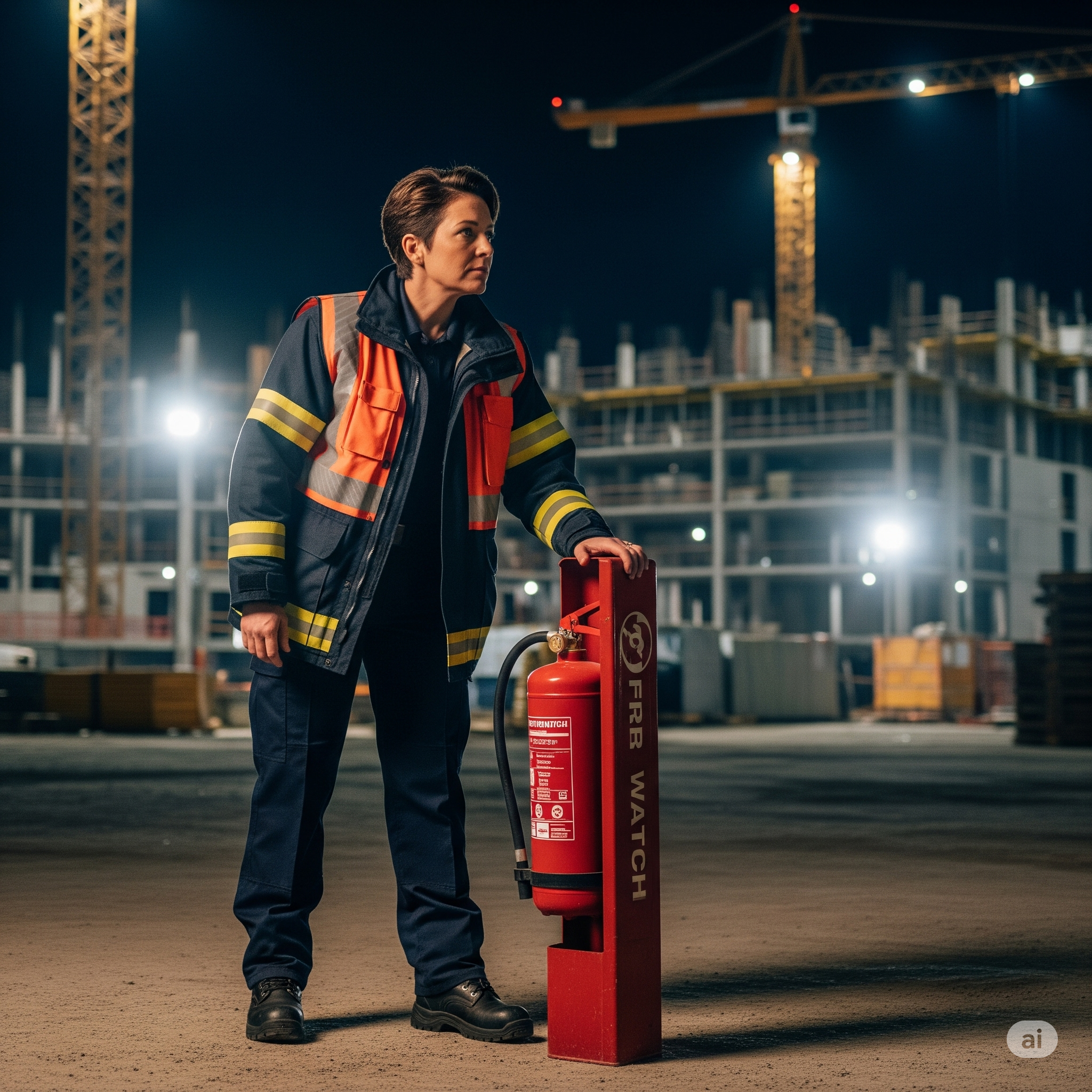
Fire watch is a specialized monitoring assignment during a fire alarm or sprinkler system outage. Construction sites, mining operations and industrial camps also have distinct site conditions, equipment, access patterns and work activity. Event staffing is shaped by the venue, attendees and event operations. Each environment needs duties suited to its conditions, rather than a generic post.
- Mobile patrol: Vehicle-based property inspections across a defined route or area.
- Fire watch: Dedicated monitoring during an alarm or sprinkler system outage.
- Specialized staffing: Guard assignments adapted to construction, mining, industrial camp or event operations.
Some sites combine models. A fixed post can oversee a key entrance while patrols inspect separate areas; specialized staffing can address site-specific demands alongside those arrangements. Northwest Security Services provides security guard coverage options for varied operating environments, aligning deployment with the duties the site requires.
Compare Security Guard Service Models Before Setting the Scope
Choose a deployment by comparing its duties with the site’s documented risks, layout and operating requirements. A fixed post provides a different kind of oversight from mobile inspections, while concierge, fire watch and specialized site staffing address distinct needs. No model is the universal best choice. Clearly defined responsibilities also allow complementary services to work together without leaving gaps or duplicating tasks.
| Model | Presence | Coverage pattern | Primary duties | Suitable conditions |
|---|---|---|---|---|
| Static guarding | Guard at an assigned location | Consistent presence at a post | Visible deterrence, observation and assigned site procedures | Sites needing oversight at a specific entrance or area |
| Mobile patrol | Vehicle-based inspections | Scheduled or random visits across property | Property checks and visible deterrence | Sites with multiple areas or a broader perimeter |
| Concierge security | Front-desk presence | Visitor-facing coverage at a designated point | Visitor management and protective oversight | Buildings with reception and access needs |
| Fire watch | Dedicated monitoring | Focused watch during an alarm or sprinkler system outage | Monitoring as assigned for the outage period | Sites requiring fire watch during a system outage |
| Specialized site staffing | Personnel deployed for the operating environment | Assignment shaped around site activity | Site-specific guarding duties | Construction, mining, industrial camp, retail or event settings |
Compare fixed presence with mobile patrol coverage
A static guard remains at an assigned post, supporting visibility and location-specific access procedures. Mobile patrols travel between areas to inspect property, so their coverage depends on the route and visit pattern. Consider whether the priority is continuous attention at one access point, periodic checks across multiple locations, or both. A large site with dispersed equipment may need a different pattern from a single public entrance.
Decide when specialized guard duties are needed
Specialized assignments address conditions that a general post may not cover. Fire watch applies during a fire alarm or sprinkler system outage. Construction and mining sites may require duties shaped around active work areas, valuable equipment and perimeter access. Event staffing can support crowd-safety objectives, while retail coverage can focus on loss prevention. Match the assignment to the operating condition.
Services can complement one another when the scope defines each post, route, schedule and escalation boundary. For example, a fixed guard may oversee an access point while mobile patrol checks other property areas. Avoid vague instructions such as “watch the site.” Specify which locations each assignment covers, what observations must be reported and how responsibilities transfer between personnel. This makes security guard services easier to align with site requirements and assess as operations change.

Plan a Clear Security Guard Services Scope for Your Site
A clear scope turns security concerns into defined duties, locations, schedules and reporting lines. Before arranging security guard services, prepare a brief that distinguishes required coverage from optional support. This helps prevent vague instructions, conflicting responsibilities and assumptions about what a guard is expected to handle.
Prepare the site information and guard instructions
Give personnel a practical picture of the property and its operating conditions. Include a site map or written layout showing entrances, restricted areas, active work zones and known vulnerabilities. Record operating hours and relevant patterns, such as shift changes, deliveries or contractor access. A checklist can help organize staffing-readiness details alongside the site brief.
Set out procedures for visitors, contractors, delivery personnel and employees. Identify who can authorize access, where visitors report and how exceptions are handled. Add site contact names or roles, reporting expectations, relevant emergency procedures and responsibility for escalating an incident. Keep instructions specific enough to guide action without relying on unwritten knowledge.
Align deployment, schedules and operational handoffs
State where personnel are assigned, which duties take priority and the periods when coverage is required. If the assignment includes a fixed post and patrol activity, identify the locations and responsibilities for each. Describe the schedule clearly. Don’t assume the service scope means continuous coverage beyond the hours and deployment it defines.
- Document risks. Summarize relevant incidents, vulnerabilities and operating patterns, distinguishing observed issues from unverified concerns.
- Describe the site. Record entrances, restricted areas, active work zones, operating hours and access procedures.
- Define duties. Separate essential responsibilities, such as access oversight or site observation, from optional visitor support or additional patrol activity.
- Set schedules. Specify coverage periods, post locations, patrol expectations and any planned handoff times.
- Review escalation. Identify who receives reports, how urgent issues are communicated and which site contact takes responsibility for next steps.
Plan handoffs between guards, site management, facilities teams and emergency responders where relevant. Clarify what information must be passed on, such as an unresolved access concern, a reported hazard or a change in site conditions. These boundaries help each party understand its role and support consistent operations without assuming guards replace site management or emergency services.
Review the brief when the site layout, work activity, access arrangements or known risks change. The scope should reflect current conditions, not simply repeat an old assignment. A checklist can help you review staffing readiness and site instructions alongside the deployment brief.
Prepare your site requirements and plan security guard coverage around the duties, schedule and handoffs your operation needs.
Coordinate Security Guard Services with Northwest Security Services
Once site requirements are defined, match each duty to an appropriate deployment. Northwest Security Services provides licensed, uniformed personnel for commercial, retail, access-point and concierge assignments, as well as specialized construction, mining and event environments. The scope should make clear what each assignment covers, where it operates and how it supports the site’s priorities.
Connect the service requirement to Northwest’s capabilities
On-site guarding can support commercial and industrial properties, retail locations, construction projects and mining operations. Duties can be set around a defined post, access point or site-specific responsibility. Concierge security combines front-desk visitor management with protective oversight, while retail loss prevention focuses on deterring shoplifting and protecting store assets. Event staffing can be aligned with the venue’s operating requirements and event activity.
For broader property coverage, mobile patrols use vehicle-based inspections, scheduled or random, and can help deter trespassing. They serve a different function from a guard assigned to remain at a specific post. Fire watch is a separate, focused assignment: dedicated monitoring during a fire alarm or sprinkler system outage. Define each service’s area, task and reporting expectations.
More than one model may be appropriate when site needs differ by location or operating condition. For example, a fixed guard can oversee a designated access point while mobile patrols inspect other areas. At a construction or mining site, the brief can distinguish general access oversight from duties tied to work zones, equipment or perimeter areas. Clear boundaries help prevent duplicate instructions and clarify which personnel report particular observations.
Move from a security brief to a service discussion
To make the discussion productive, outline the property type and layout, operating hours, access points, known risks, required guard duties and relevant site contacts. Identify priority areas, visitor or contractor procedures, and the reporting or escalation steps personnel should follow. For event, concierge, retail, industrial or construction security requirements, this information helps connect the operating need to a practical scope.
A well-prepared brief also distinguishes essential duties from additional support. State whether the priority is a visible on-site presence, mobile property inspections, visitor-facing assistance, loss prevention or dedicated fire watch. If needs vary across shifts or locations, describe those differences rather than assuming one post or schedule covers them all. Northwest Security Services can align its guard offerings with defined site conditions and operational responsibilities.
Bring your site details and required duties into a focused service discussion. Discuss your security guard service requirements with Northwest Security Services to plan coverage around your operating environment.
Make Your Security Plan Ready to Adapt
A useful security scope should reflect how your operation actually runs. As access arrangements, work activity or site conditions change, review whether guard instructions, reporting lines and assigned duties still fit. This keeps protection practical and helps security guard services support continuity rather than operate as a separate, disconnected function.
Northwest Security Services provides licensed, uniformed guards and concierge personnel for commercial, retail, access-point and specialized assignments, including construction, mining, industrial camp and event settings. The company also provides accredited security guard licensing training and First Aid/CPR courses. The next step is to turn your site knowledge into a clear discussion about the coverage your operation needs.
Prepare your operating hours, site details, known risks, priority locations and required duties. Then discuss your security guard service requirements with Northwest Security Services. A defined scope gives the conversation a practical starting point and helps shape coverage around your operating environment.
Frequently Asked Questions
Do security guard services operate 24/7?
Coverage hours depend on the agreed assignment; round-the-clock service shouldn’t be assumed. The scope should state the specific days and hours personnel are required, the location or post they’ll cover, and any planned handoffs. If your operation needs protection across all shifts, describe those requirements and align coverage with the operating schedule. The written schedule sets the expected coverage period.
Can security guards detain someone in Canada?
Security guards aren’t police and don’t have general police powers. Detention is limited to circumstances permitted by law, including the narrow conditions that apply to a citizen’s arrest. Any action must be handled with care, and guards should follow applicable law, their training and site procedures, then contact police when appropriate. Businesses should define how suspected offences are reported, rather than directing guards to detain people as a routine response.
Do security guards need a licence in Canada?
Licensing rules for security work are set provincially and territorially, so requirements can differ across Canada. Guards generally need the credential required in the jurisdiction where they work, and a licence from one province shouldn’t be assumed to meet another jurisdiction’s rules. Northwest Security Services supplies licensed guards. Businesses operating across provincial or territorial borders should account for the applicable local requirements at each site.
Can security guard services include fire watch?
Yes. Fire watch can be provided as a dedicated monitoring assignment during a fire alarm or sprinkler system outage. Before the assignment begins, provide the site’s applicable procedures, areas requiring attention, contact roles and instructions for escalating a concern. For example, the building team should clarify who receives a report if personnel observe a condition requiring prompt attention. Define fire watch duties for the specific site.
Are mobile patrols a substitute for an on-site security guard?
Not in every situation. A mobile patrol checks property during visits, so areas aren’t continuously observed between inspections. An on-site guard can maintain a presence at a defined location, which may suit an entrance where access oversight is needed throughout specified operating hours. A site with dispersed areas may use patrols for inspections while retaining a fixed post where ongoing presence is a priority.
What information should I provide when requesting security guard services?
Along with site layout and operating details, provide relevant incident records, a current list of authorized access roles, and instructions for handling exceptions, such as an unexpected delivery or a person seeking entry without authorization. Note any areas personnel must not enter and how reports should reach the responsible contact. These details help shape practical post instructions and reduce uncertainty during routine activity.
Can security guards help prevent theft and vandalism?
Yes. A visible guard presence, access oversight and site-specific observation can help deter theft and vandalism, though no security assignment can eliminate every risk. At a worksite, for example, clear instructions can direct attention to equipment storage areas and perimeter access. In retail, loss-prevention duties can focus on protecting merchandise and deterring shoplifting. Timely reporting also helps site management respond to observed concerns.